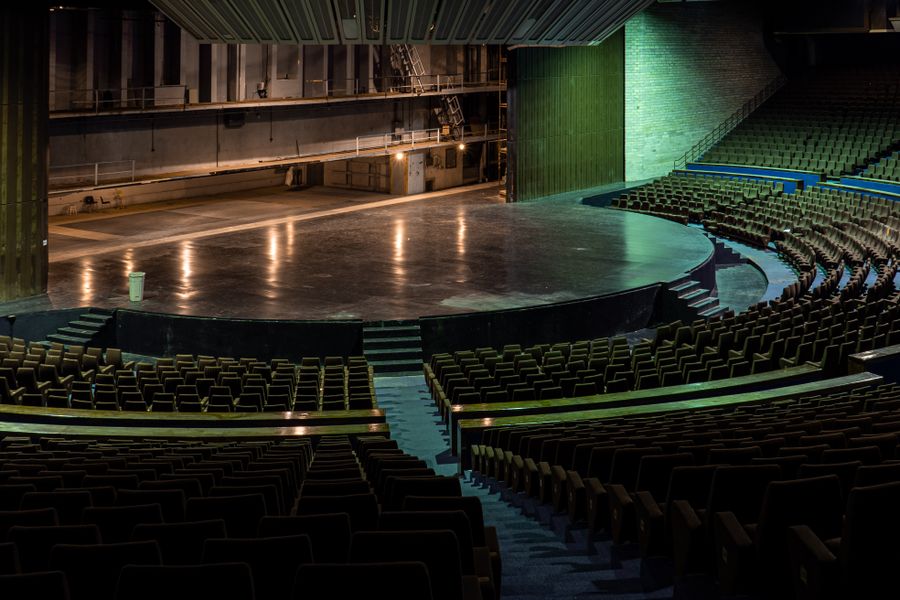
International theatre crosses national borders in production and circulation; intercultural theatre focuses on encounter between cultural traditions, aesthetics and communities; transnational theatre examines border-crossing networks, flows and institutions. The terms overlap, but they answer different questions and carry different practical consequences for…
Play translation for performance is the specialist work of turning a dramatic text in one language into a text that can be staged, rehearsed, and understood by…
To reconstruct a production history, define the production precisely, then triangulate programmes, reviews and archival production documents. Programmes supply credits, dates, venues and production context; reviews supply…
Dramaturgy across cultures is the study and practice of how performance structure and meaning change when conventions, languages, institutions, and audiences travel between contexts. It connects comparative,…
Preparing a script for surtitling means turning a clean, consistently formatted play text into reviewed cue units that can be translated, rehearsed and operated live. The work…
Multilingual theatre is performance practice that uses two or more languages in rehearsal, staging, dramaturgy, or audience access. It matters because language choices shape who can understand,…
Actors and translators can work together in rehearsal through a documented cycle: agree a translation brief, test the text in table work and embodied scenes, and use…
9 min read
✳
THE CONVERSATION CONTINUES
Keep a window open to the world.
Fresh perspectives and practical reading, straight to your feed reader.